
Celebrating 10 years of the Participant Panel
The Participant Panel is a key advisory group for Genomics England, working to ensure that participants' voices and experiences inform our work

2016
The Participant Panel is established
The National 100,000 Genomes Project Participant Panel is established, with twelve founding members bringing lived experience of rare conditions. Its creation places participant voices at the heart of Genomics England’s governance and strategic decision-making, with Panel members embedded in key Genomics England decision-making bodies, such as the Access Review Committee, Ethics Advisory Committee and GECIP Board (now known as the Research Network Committee) from the outset. This ensures participants have a direct and enduring voice in how their data is used.
2017
The Panel welcomes its first participant
with lived experience of cancer
The Panel expands in size and influence, welcoming its first member from the cancer arm of the 100,000 Genomes Project. Panel members hear for the first time NHS England’s strategic vision for a future genomic medicine service, building on the legacy of the 100,000 Genomes Project.
2018
Panel input leads to the launch of
Track My Sample service
Panel input and advocacy lead to the launch of the Track My Sample service for 100,000 Genome Project participants by Genomics England. This allows participants to follow the progress of their sample through the whole genome sequencing process. More than 10,750 participants have used the service by Summer 2022, providing reassurance, even though for many the wait for results remains long. The Panel also visits the Wellcome Genome Campus, meeting teams involved in sequencing participants’ genomes and strengthening mutual understanding.
2019
Public recognition for the Panel
The Panel’s contributions are publicly recognised at a 100,000 Genomes Project celebration, with Professor Dame Sally Davies praising their role in shaping the project and encouraging the Panel to continue challenging Genomics England. The Panel’s vital involvement is also highlighted in A Public Dialogue on Genomic Medicine – Time for a New Social Contract?, emphasising the Panel’s role in sustaining public trust in genomic research.
2020
The Panel responds to the
pandemic and supports new
Genomics England initiatives
The Panel adapts to an increase in meetings, from three to four per year, and to remote working due to the COVID-19 pandemic. Its members help shape recruitment and consent materials for the GenOMICC study, and the Panel updates its Terms of Reference following the launch of the NHS Genomic Medicine Service. The Panel also contributes to the public dialogue that shapes the newborns programme, paving the way for its critical input into the design and delivery of the Generation Study, including recruitment, consent, communication of results, and post-diagnosis support.
2021
Check My Choice letters are
sent to participants
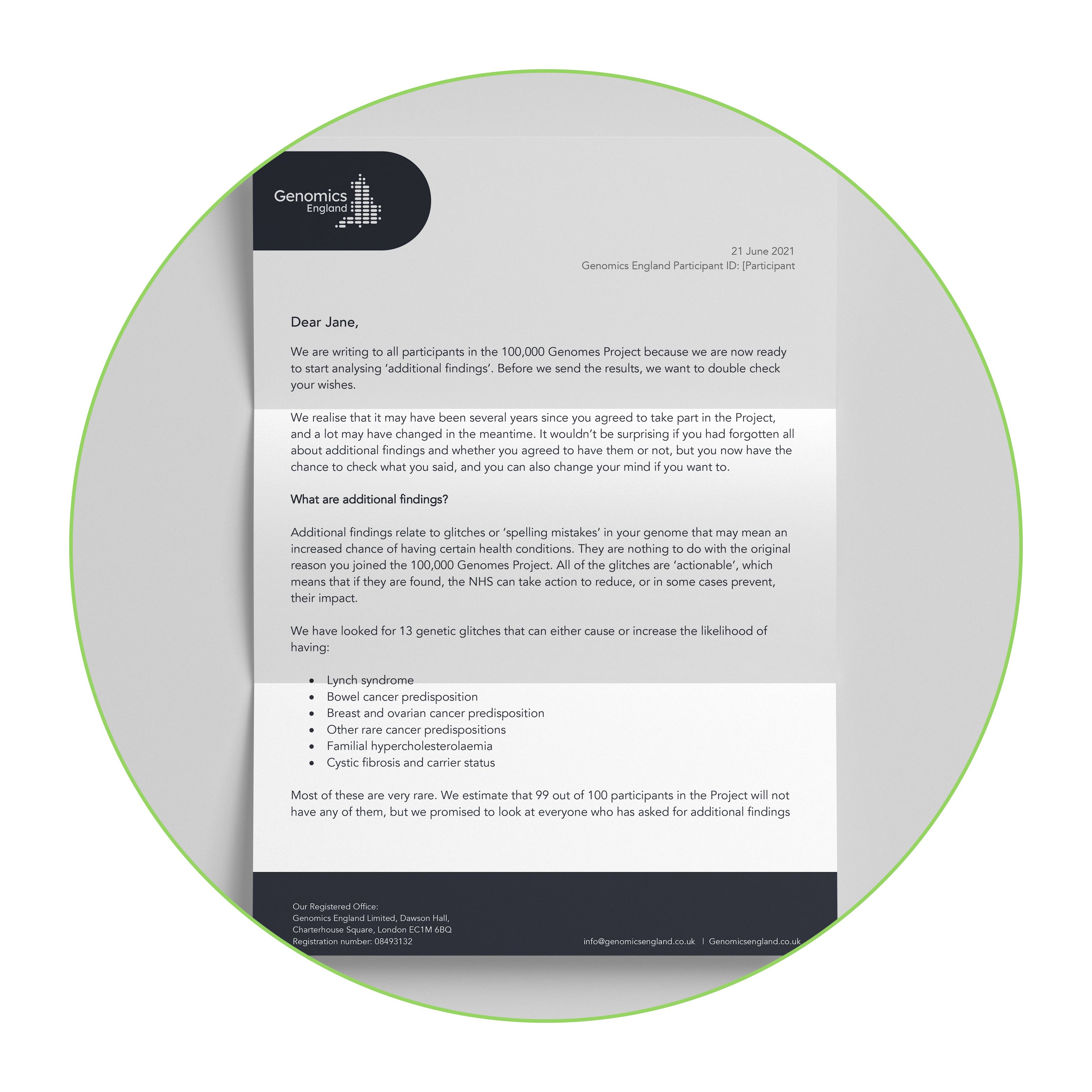
After sustained advocacy from the Panel, NHS England sends Check My Choice letters for Additional Findings to all 100,000 Genome Project participants. This gives them the opportunity to confirm or change their choice before results are returned. These letters, shaped with Panel input, reach over 76,300 participants and generate more than 12,000 responses. Most participants confirm their initial decision with 327 opting to change.
2022
Milestone publications for the Panel
The Panel publishes a landmark paper in the European Journal of Human Genetics, offering practical recommendations for meaningful participant involvement in large-scale genomics research projects. By March 2026, the paper has been cited 18 times.
The Language and Terminology guide, developed by the Panel, is launched at the Genomics England Research Summit in May. This guide is widely welcomed across the genomics community and helps professionals communicate more respectfully and inclusively about genetic conditions, disability, and cancer.
2023
The Panel takes centre stage at the Genomics England Research Summit
At this year’s Genomics England Research Summit, the Panel welcomes twelve new members, including participants recruited through the NHS Genomic Medicine Service, and secures a more prominent and active role at the event, showcasing the Panel’s work and impact.
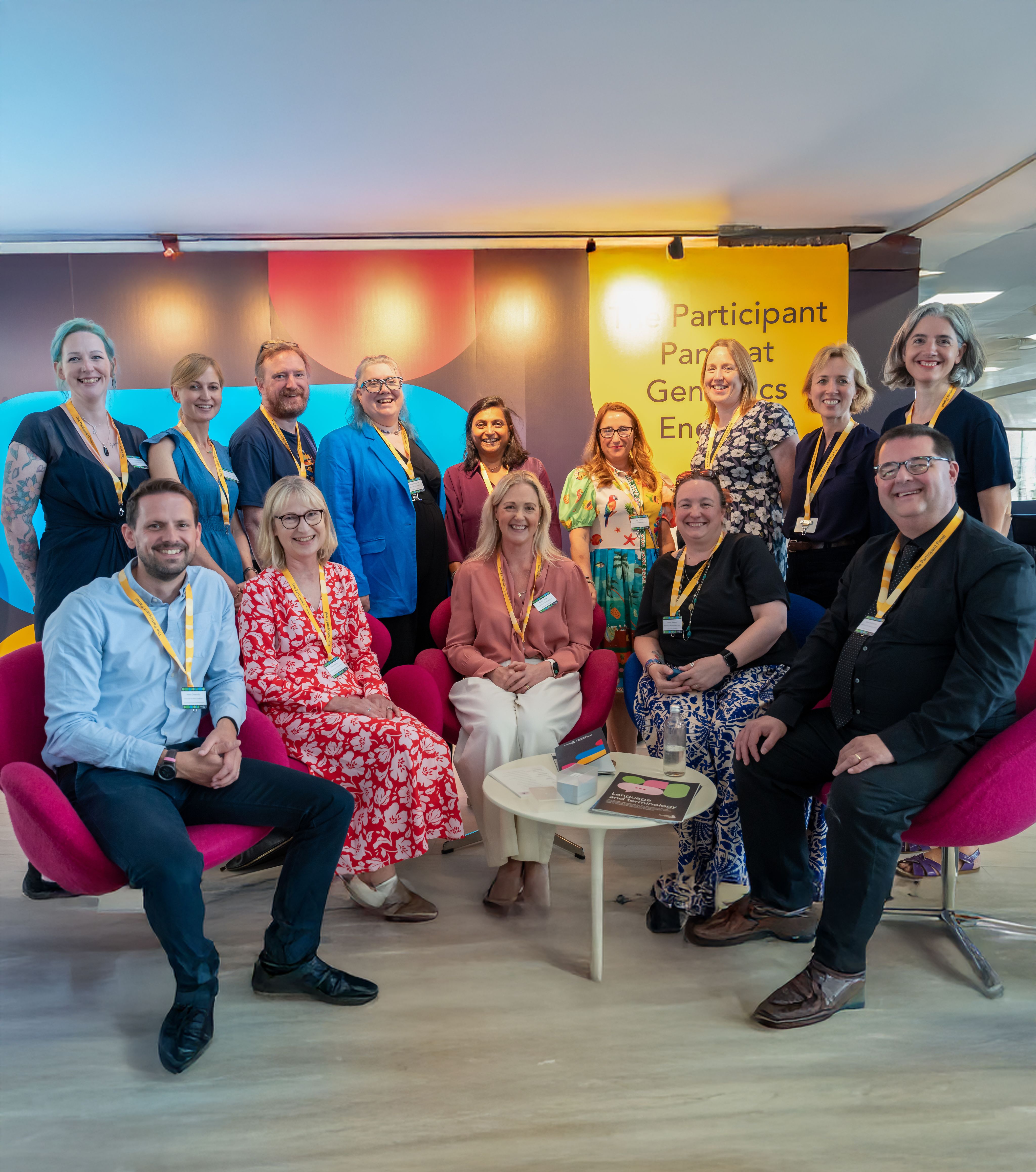
The Panel also meets for the first time at One Canada Square, Genomics England’s new headquarters, and visits the National Pathology Imaging Cooperative in Leeds to see how cancer pathology slides from 100,000 Genomes Project participants are digitised, supporting shared learning.
(Image from the Genomics England Research Summit 2025)
2024
A new chapter for the Panel
The newly formed Communications and Engagement Working Group, made up of Panel members and Genomics England colleagues, begins strengthening two-way dialogue to help shape communications across the genomics community.
In June, the remaining founding Panel members step down, marking the end of an era.
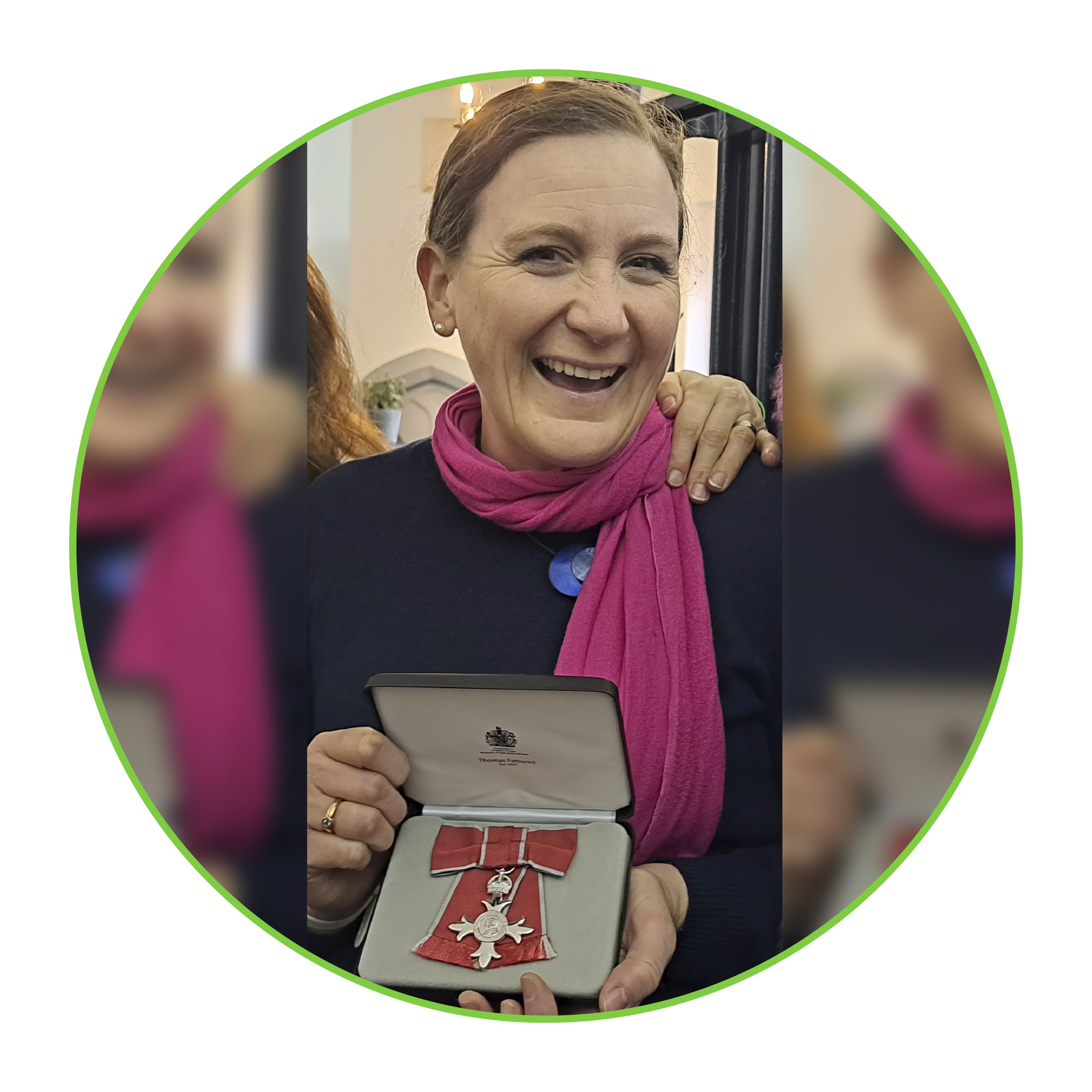
Recognising her outstanding service to patients and participants in UK genomics, Jillian Hastings Ward, former Chair of the Participant Panel, is awarded an MBE in the King’s Birthday Honours.
And with refreshed leadership in place, the Panel ushers in its next chapter.
2025
The Panel launches its first strategy
The Panel launches its first formal strategy for 2025–2026, further reinforcing its central role in Genomics England governance and setting priorities to:
- improve participant communication
- strengthen public and patient involvement and engagement in research using participant data
- enhance the Panel’s ability to advocate for all participants
- support early engagement in major Genomics England initiatives.
It also co-authors a national survey on public attitudes to pharmacogenomics and returns to the Wellcome Genome Campus, further developing shared understanding with those sequencing participants’ genomes.
2026
Celebrating a decade of progress
The Participant Panel marks its 10th anniversary, celebrating a decade of championing participant voices and helping shape the future of genomic medicine in the UK.

2016
The Participant Panel is established
The National 100,000 Genomes Project Participant Panel is established, with twelve founding members bringing lived experience of rare conditions. Its creation places participant voices at the heart of Genomics England’s governance and strategic decision-making, with Panel members embedded in key Genomics England decision-making bodies, such as the Access Review Committee, Ethics Advisory Committee and GECIP Board (now known as the Research Network Committee) from the outset. This ensures participants have a direct and enduring voice in how their data is used.



2017
The Panel welcomes its first participant
with lived experience of cancer
The Panel expands in size and influence, welcoming its first member from the cancer arm of the 100,000 Genomes Project. Panel members hear for the first time NHS England’s strategic vision for a future genomic medicine service, building on the legacy of the 100,000 Genomes Project.


2018
Panel input leads to the launch of
Track My Sample service
Panel input and advocacy lead to the launch of the Track My Sample service for 100,000 Genome Project participants by Genomics England. This allows participants to follow the progress of their sample through the whole genome sequencing process. More than 10,750 participants have used the service by Summer 2022, providing reassurance, even though for many the wait for results remains long. The Panel also visits the Wellcome Genome Campus, meeting teams involved in sequencing participants’ genomes and strengthening mutual understanding.

2019
Public recognition for the Panel
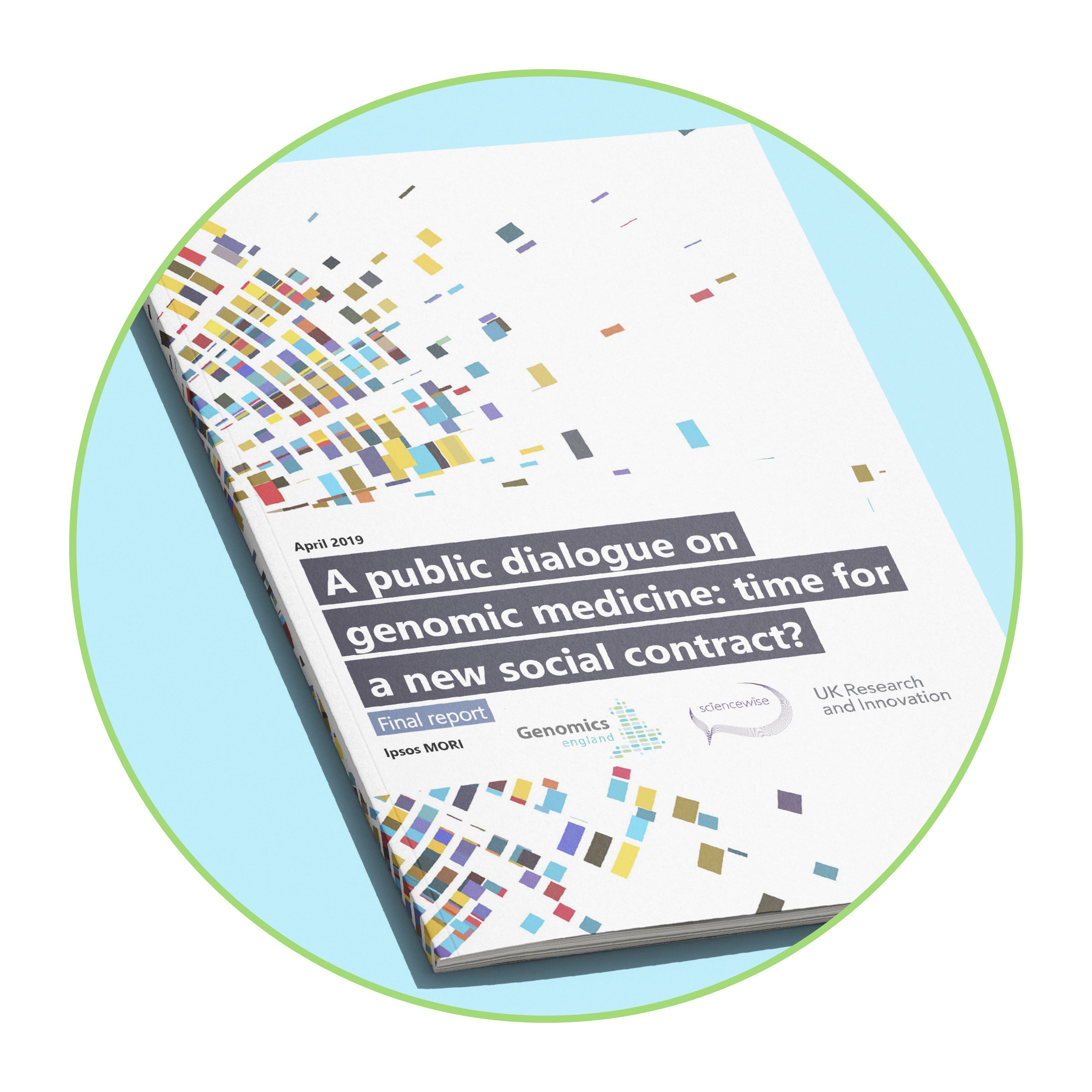
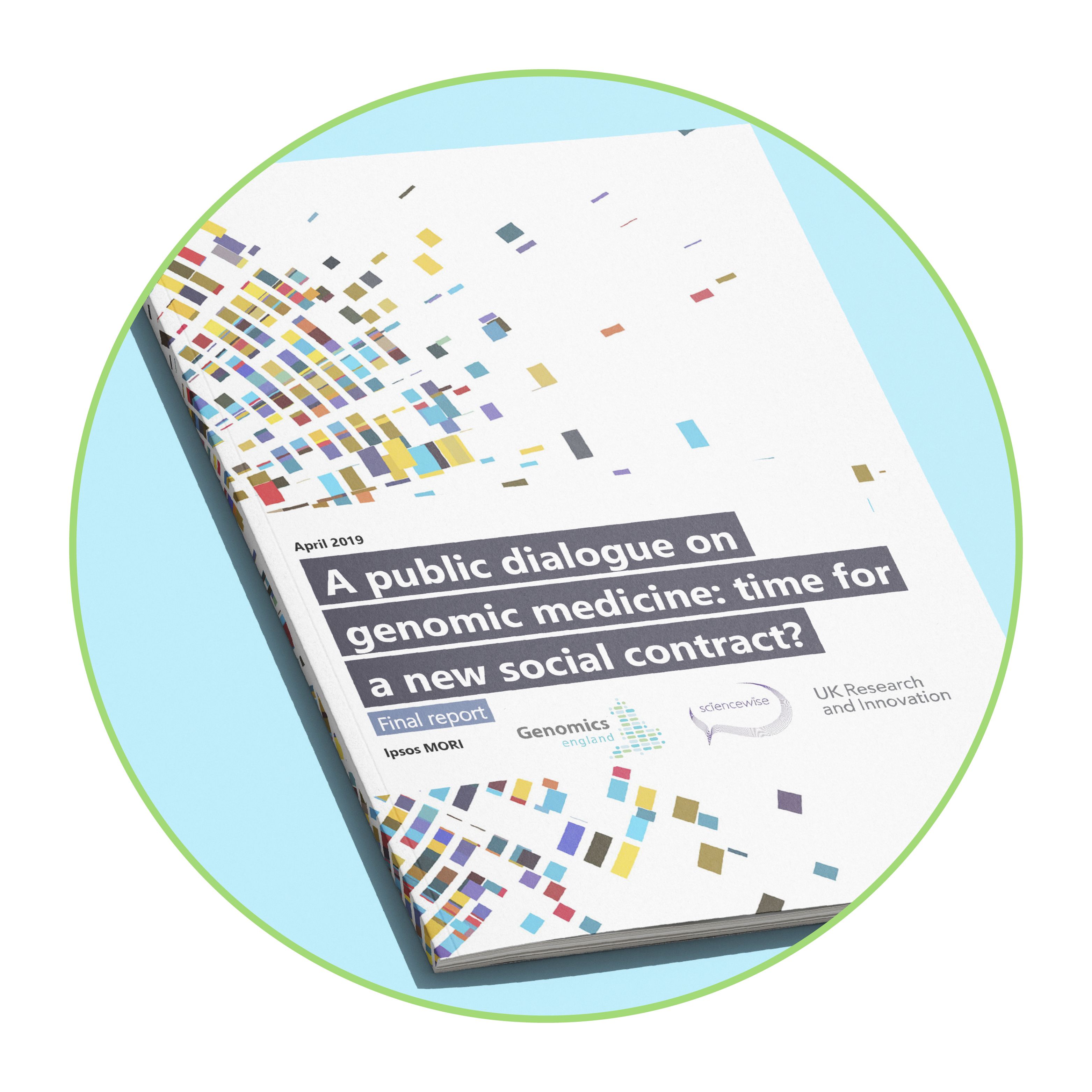
The Panel’s contributions are publicly recognised at a 100,000 Genomes Project celebration, with Professor Dame Sally Davies praising their role in shaping the project and encouraging the Panel to continue challenging Genomics England. The Panel’s vital involvement is also highlighted in A Public Dialogue on Genomic Medicine – Time for a New Social Contract?, emphasising the Panel’s role in sustaining public trust in genomic research.

2020
The Panel responds to the
pandemic and supports new
Genomics England initiatives
The Panel adapts to an increase in meetings, from three to four per year, and to remote working due to the COVID-19 pandemic. Its members help shape recruitment and consent materials for the GenOMICC study, and the Panel updates its Terms of Reference following the launch of the NHS Genomic Medicine Service. The Panel also contributes to the public dialogue that shapes the newborns programme, paving the way for its critical input into the design and delivery of the Generation Study, including recruitment, consent, communication of results, and post-diagnosis support.

2021
Check My Choice letters are
sent to participants
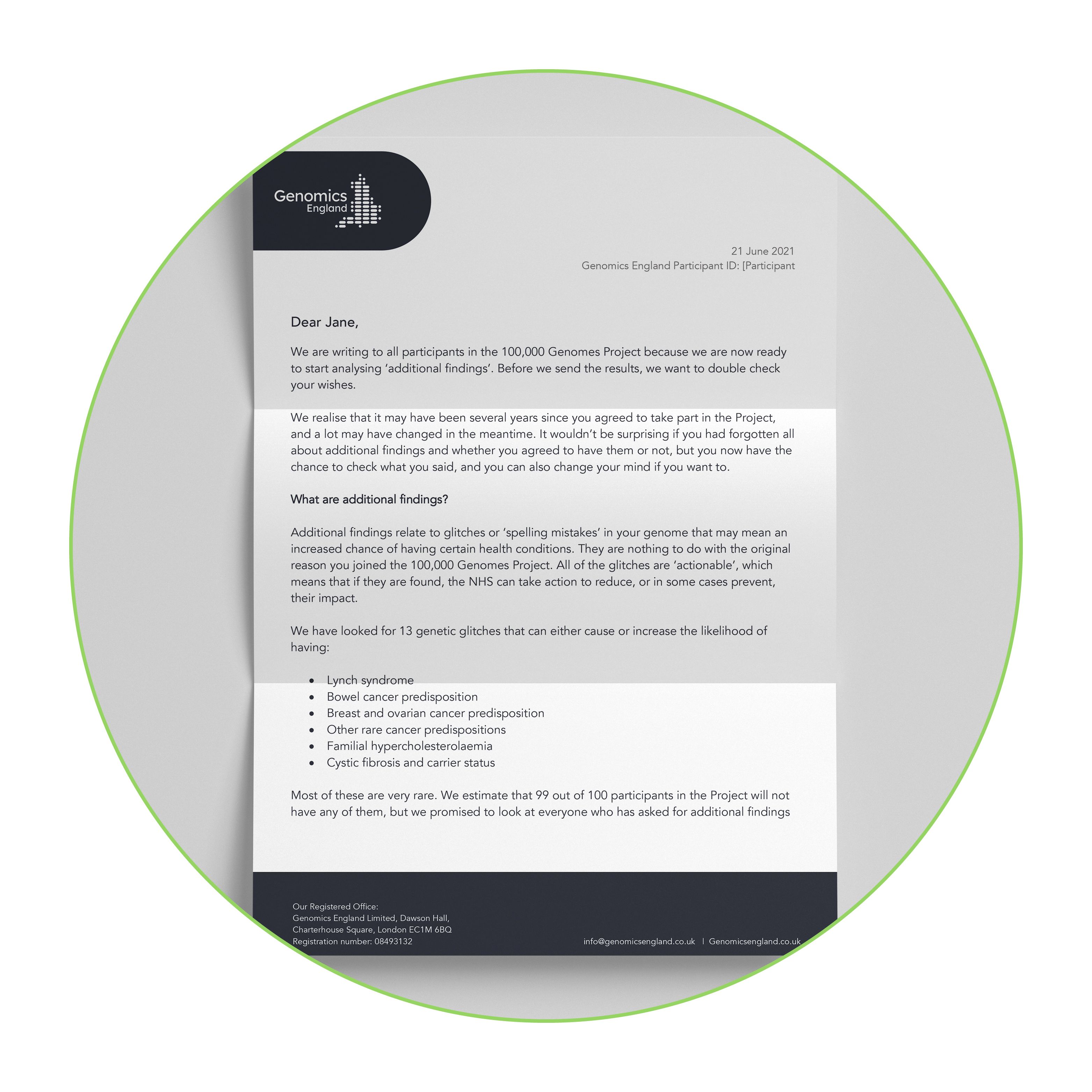
After sustained advocacy from the Panel, NHS England sends Check My Choice letters for Additional Findings to all 100,000 Genome Project participants. This gives them the opportunity to confirm or change their choice before results are returned. These letters, shaped with Panel input, reach over 76,300 participants and generate more than 12,000 responses. Most participants confirm their initial decision with 327 opting to change.

2022
Milestone publications for the Panel
The Panel publishes a landmark paper in the European Journal of Human Genetics, offering practical recommendations for meaningful participant involvement in large-scale genomics research projects. By March 2026, the paper has been cited 18 times.
The Language and Terminology guide, developed by the Panel, is launched at the Genomics England Research Summit in May. This guide is widely welcomed across the genomics community and helps professionals communicate more respectfully and inclusively about genetic conditions, disability, and cancer.

2023
The Panel takes centre stage at the Genomics England Research Summit
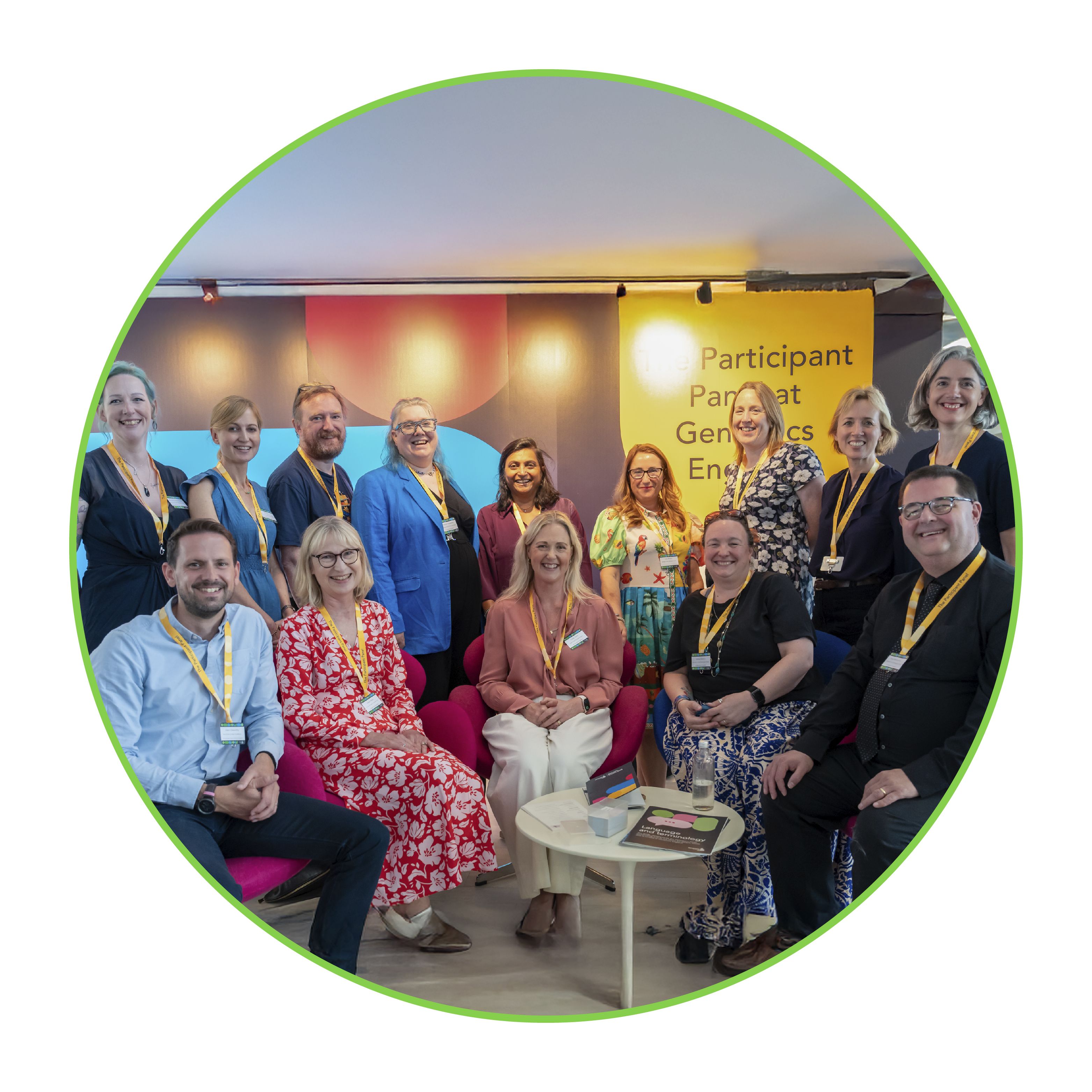
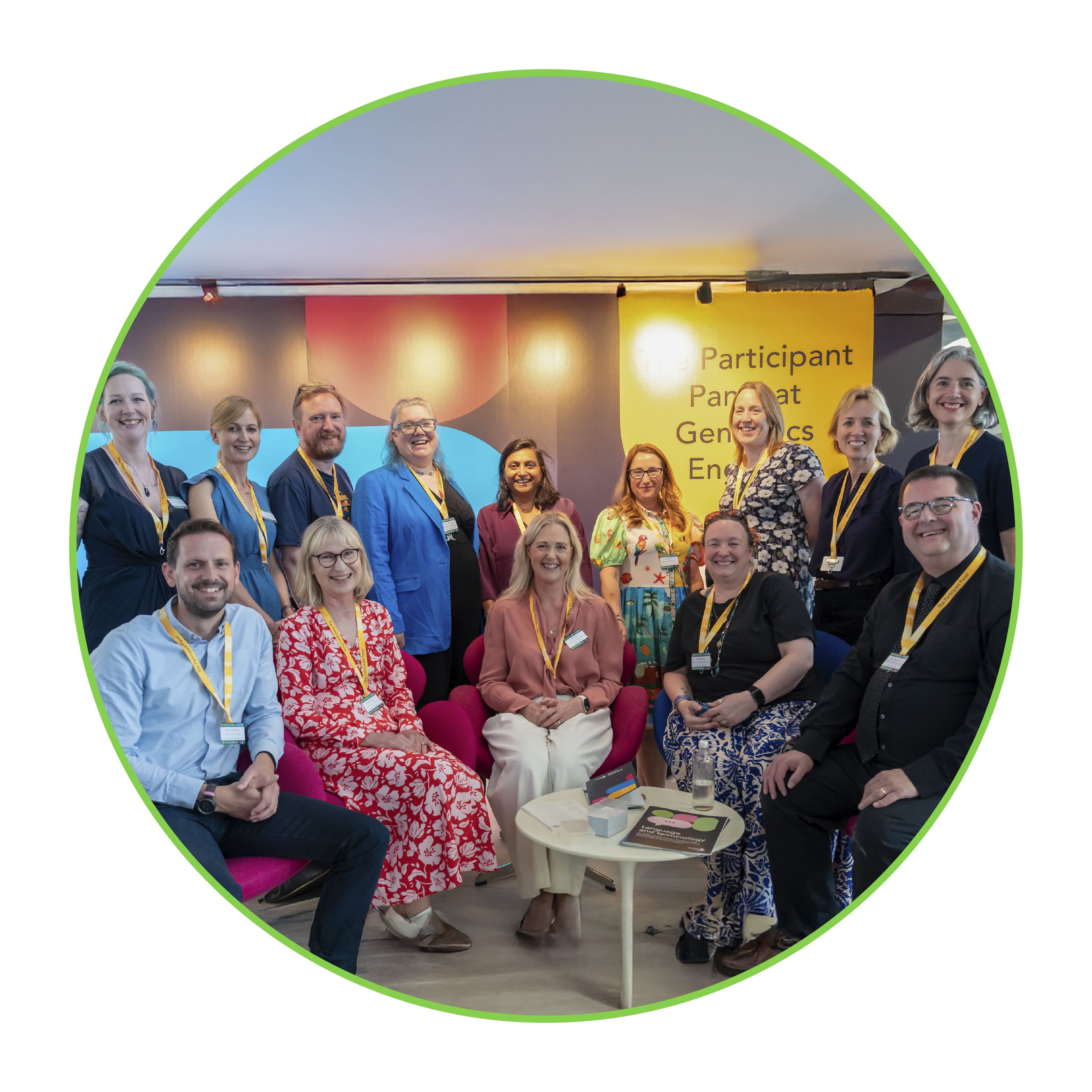
At this year’s Genomics England Research Summit, the Panel welcomes twelve new members, including participants recruited through the NHS Genomic Medicine Service, and secures a more prominent and active role at the event, showcasing the Panel’s work and impact.
The Panel also meets for the first time at One Canada Square, Genomics England’s new headquarters, and visits the National Pathology Imaging Cooperative in Leeds to see how cancer pathology slides from 100,000 Genomes Project participants are digitised, supporting shared learning.
(Image from the Genomics England Research Summit 2025)
2024
A new chapter for the Panel
The newly formed Communications and Engagement Working Group, made up of Panel members and Genomics England colleagues, begins strengthening two-way dialogue to help shape communications across the genomics community.
In June, the remaining founding Panel members step down, marking the end of an era.
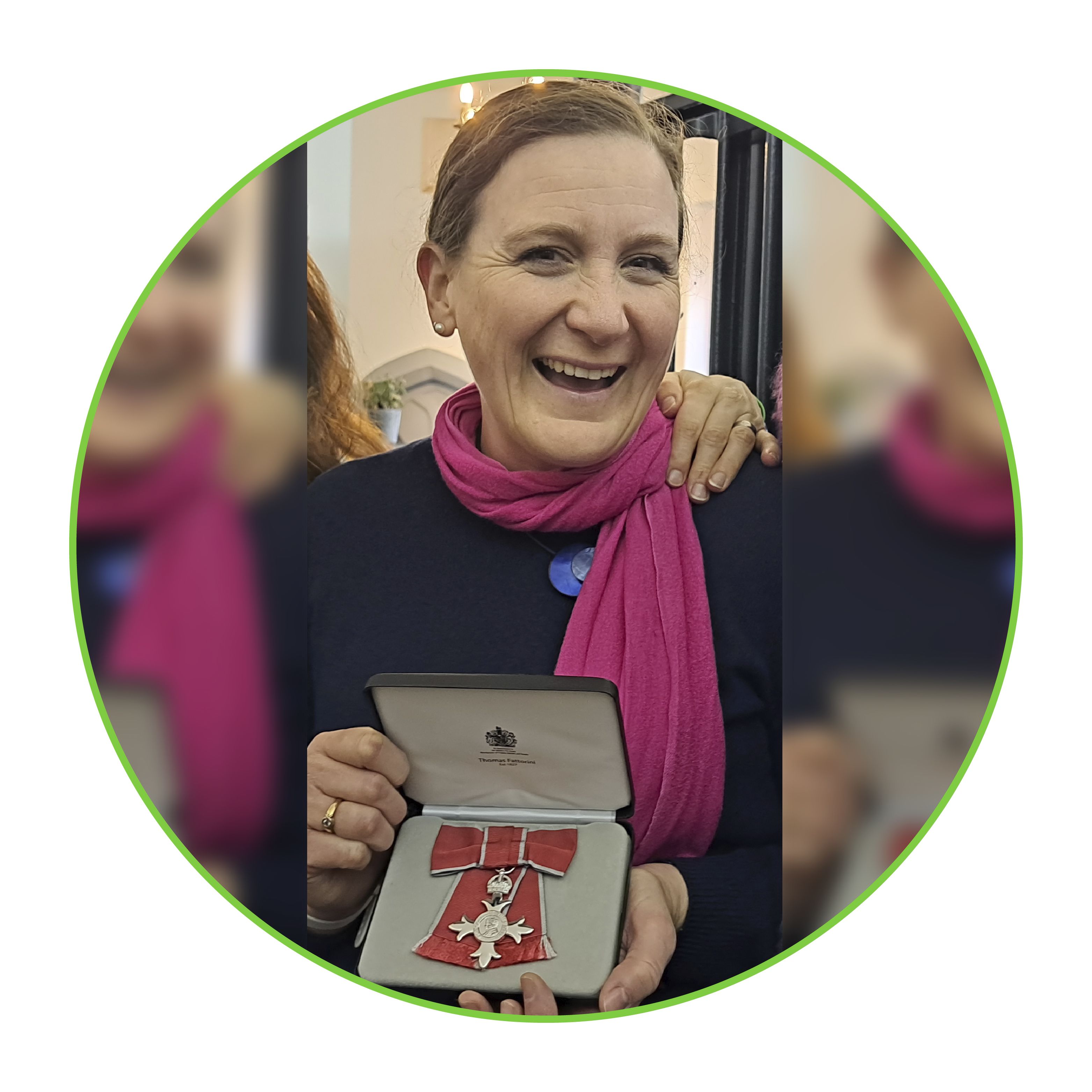
Recognising her outstanding service to patients and participants in UK genomics, Jillian Hastings Ward, former Chair of the Participant Panel, is awarded an MBE in the King’s Birthday Honours.
And with refreshed leadership in place, the Panel ushers in its next chapter.
2025
The Panel launches its first strategy
The Panel launches its first formal strategy for 2025–2026, further reinforcing its central role in Genomics England governance and setting priorities to:
- improve participant communication
- strengthen public and patient involvement and engagement in research using participant data
- enhance the Panel’s ability to advocate for all participants
- support early engagement in major Genomics England initiatives.
It also co-authors a national survey on public attitudes to pharmacogenomics and returns to the Wellcome Genome Campus, further developing shared understanding with those sequencing participants’ genomes.

2026
Celebrating a decade of progress
The Participant Panel marks its 10th anniversary, celebrating a decade of championing participant voices and helping shape the future of genomic medicine in the UK.


Acknowledgements
We recognise and thank all Participant Panel members – past and present – who have given their time, energy, and insight to support its work. This includes those we have lost, those who have lost loved ones along the way, and the many colleagues, collaborators, and partners whose support has helped shape the Panel’s achievements.
 Built with Shorthand